How can I tell if my cycling cleats are worn?
Find our complete guide to learn how to identify worn cleats and how to extend their lifespan.
View the guide
How can I tell if my cycling cleats are worn? (signs, risks and replacement)
Clipless pedal cleats are essential wear components for a cyclist’s safety, comfort and performance. Over time, cleat wear can lead to play, less reliable engagement, or even an increased risk of unexpected release. As a pedal and cycling cleat manufacturer, LOOK Cycle explains how to recognize a worn cleat, what the warning signs are both visual and functional and when to replace your cleats to preserve pedal performance and pedaling feel.
1. Why replace your cleats regularly?
Over time, your cleats naturally wear out:
- when walking (friction with the ground);
- while pedaling (friction with the pedal and the contact plate).
Excessively worn cleats can lead to:
- less reliable clip-in / clip-out;
- reduced stability;
- an increased risk of unexpected release and therefore a fall.
2. Signs that your cleats are worn
What you may feel
- Less distinct clip-in: you feel that the cleat “clicks” less firmly.
- Less fluid clip-out: the release movement may feel abnormal or irregular.
- Play under the foot: slight movement, loss of optimal contact with the pedal.
- Noise or squeaking: unusual sounds at the pedal/cleat interface, often linked to wear or dirt.
- Instability when walking: reduced grip, sensation of slipping on the ground.
If you experience one or more of these symptoms, your cleats are most likely at the end of their service life.
What you can see
On your cleats, check first and foremost:
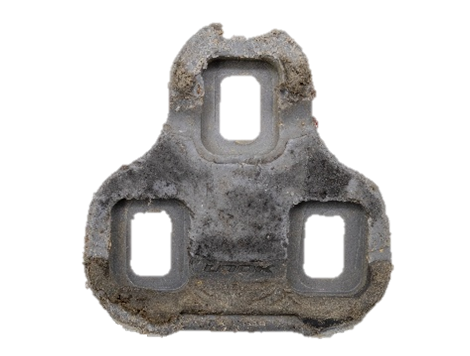
1. Breakage or cracks
Breakage of the cleat nose, cracked material: immediate replacement required.
To be absolutely avoided
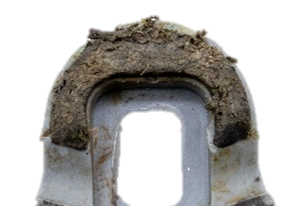
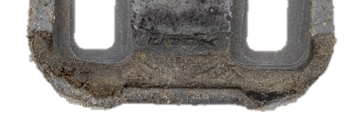
2. Worn or torn front / rear grip
Reduced grip when walking, increased risk of slipping, accelerated wear of functional contact zones.
Replace as soon as you notice the same condition:
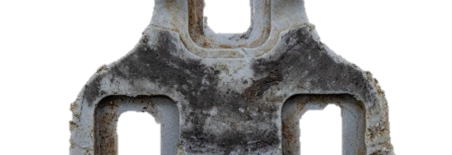
3. Pronounced roughness and abrasion marks
Rough and darkened surfaces, hollowed areas, friction that can sometimes cause squeaking noises.
Replace as soon as you notice the same condition:
4. Pronounced grooves
Replace as soon as you notice the same signs:
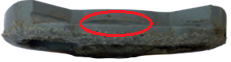
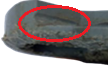
Central groove: repeated friction against the pedal retention lever increases mechanical play.
Lateral grooves: repeated clip-outs create more angular freedom and reduce precision.
3. Factors that accelerate wear
- Dust, mud, sand: abrasive particles that wear down materials more quickly.
→ Rinse your cleats and pedals frequently. - Frequent walking: the more you walk, the faster cleats wear out.
→ Use LOOK cleat covers.
4. Also think about your pedals
The condition of your cleats directly affects the wear of your pedals.
Wear levels:
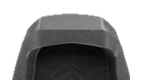
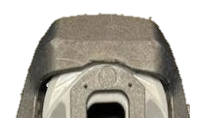
Plate / contact surface: monitor the appearance of deep marks.
Lever / spring: clean and dry regularly.
5. How to extend the lifespan of your cleats?
- Limit walking while wearing cleated shoes.
- Use LOOK cleat covers for walking sections.
- Rinse and dry after dusty or wet rides.
- Regularly check bolt tightening.
In summary: replacing your cleats preserves your pedals, your pedaling feel, and your safety.